GROUP - IV
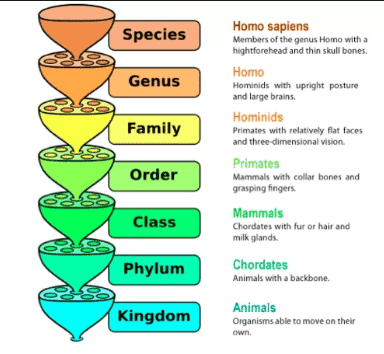
ORDER - Nidovirales
FAMILY - Coronaviridae
GENUS - Betacoronavirus
GENOME - Single-component, single stranded RNA of about 30,000 nucleotides, encoding 11 proteins
GEOGRAPHY - No cases since 2004, but previously worldwide
HOSTS - Humans, civet cats, bats
ASSOCIATED DISEASES - SARS
TRANSMISSION - From animals, respiratory, person-to-person contact
VACCINE - None approved
 |
| Source wikipedia |
A rapid and effective response SARS (Severe Acute Respiratory Syndrome) appeared suddenly in 2002 in southern China and spread rapidly to Hong Kong, and then to several parts of the world. The disease was severe, and fatality rates ranged from 10 percent in otherwise healthy adults, to more than 50 percent in the elderly. Molecular evidence indicates that the virus originated in bats, then either moved to civets (a wild cat in China), and then to humans, or from bats to humans to civet cats.
The worldwide spread was due to infected travelers, and encompassed 32 countries in less than three months. The public health and virology communities reacted rapidly; within about six months the entire sequence of the virus was determined, and a few months later a complex set of tools for studying the virus was developed. For the time this rapid response was unprecedented. Surveillance for infected travelers was also prompt, and travel through some large airports in China and other parts of the world involved detecting persons with elevated temperatures.
By April of 2004 a vaccine was being tested in mice, but there were no additional natural human cases reported after January of 2004, although a few laboratory cases occurred in China and Taiwan. The virus appeared, the medical and scientific communities reacted speedily, and then the virus disappeared and has not been seen since.
In 2012 a related virus, MERS-related coronavirus (Middle East Respiratory Syndrome), appeared in Saudi Arabia. MERS arose independently of SARS, and spread from bats to camels. It is not often transmitted from human to human, rather most people get it directly from infected animals.
The coronaviruses, named for the corona-like appearance of the virus in electron micrographs, have the largest and most complex genomes of any RNA virus, which can be as large as 32,000 nucleotides. There are a large number of viruses in this family that infect humans and other animals, including six that cause significant human diseases.








0 Comments
If you have any query let me know.