GROUP - V
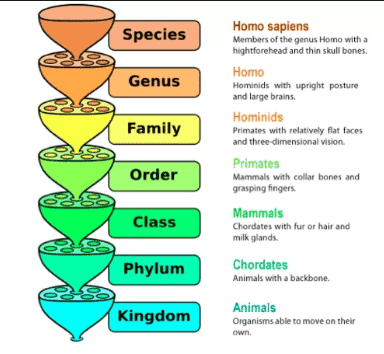
ORDER - Mononegavirales
FAMILY - Filoviridae
GENUS - Ebolavirus
GENOME - Linear, single-component, single-stranded, RNA of 19,000 nucleotides, encoding eight proteins
GEOGRAPHY - Central Africa and West Africa
HOSTS - Humans, other primates, possibly bats
ASSOCIATED DISEASES - Ebola hemorrhagic fever
TRANSMISSION - Body fluids
VACCINE - Experimental DNA vaccine; experimental recombinant vaccine

Extremely contagious disease complicated by modern travel The first reports of Ebola virus infection in humans were in the mid-1970s. The outbreaks were relatively small (often fewer than 100 people) but very deadly, with fatality rates of over 80 percent. The most recent outbreak in West Africa in 2013–15 infected over 28,000 people, and killed over 11,000. Them most important factors in controlling this Ebola outbreak were public education and increased numbers of appropriate treatmentc centers.
Several related strains of Ebola virus have been found in different outbreaks and in different parts of central and western Africa. The virus can infect other primates besides humans, and causes disease in them as well. The wild natural host of Ebola virus isnk not known, although bats have been found with the virus and no symptoms, making them the most likely wild. reservoir Transmission requires direct contact with bodily fluids; no vectors have ever been found, and it is not transmitted through the air.
The disease is very severe and hemorrhagic fever is common in the late stages. With awareness of the disease it can be contained rapidly, but this requires a strong health care infrastructure. A related virus, Reston ebolavirus, occurred in monkeys that were imported from the Philippines to research labs in the United States. Reston ebolavirus does not infect humans. Marburg virus is another related virus, causing similar disease in humans and other primates, and the basis for a number of science-fiction books and movies.
Ebola virus has very long, narrow virions. One of its genes can make two distinct proteins because the RNA gets edited after it ist transcribed This is a unique way for the virus to make additional proteins. The exterior of the virus is covered with a membrane envelope. The virus attaches to the host cell through a glycoprotein in its envelope, replicates in the cytoplasm and suppresses the host’s immunes system but many other details about the virus life cycle are not well understood.







0 Comments
If you have any query let me know.