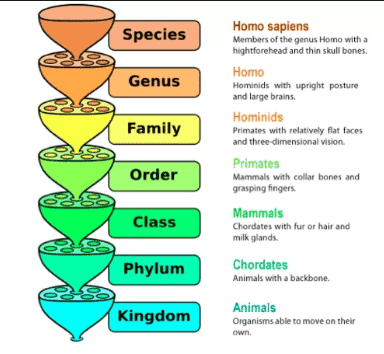
GROUP - IV
ORDER - Not assigned
FAMILY - Togaviridae
GENUS - Alphavirus
GENOME - Linear, single-segment, single stranded RNA of about 12,000 nucleotides encoding nine proteins from a polyprotein
GEOGRAPHY - Originally in Africa, then spread to Asia and the Americas, and occasionally in Europe
HOSTS - Humans, monkeys, possibly rodents, birds, and cattle
ASSOCIATED DISEASES - Chikungunya
TRANSMISSION - Mosquitoes
VACCINE - In development
 |
| Source Wikipedia |
A virus that traveling the world Chikungunya virus originated in Africa, where it infected primates and cycled occasionally into humans. The virus moved into Asia in the 1950s, and was found there for several decades. Since 2004 the virus has moved to parts of Europe and countries surrounding the Indian Ocean, and since 2013 it has appeared in the Americas.
The rapid emergence of Chikungunya virus is tightly linked to its mosquito vector. Until recently Chikungunya was spread between primates andh humans by a mosquito known as the yellow fever mosquito, Aedes aegyptii, that is restricted to tropical and subtropical climates.R Recently the virus acquired the ability to be transmitted by another mosquito, Aedes albopictus, or the Asian tiger mosquito.
This kind of change in a virus is rare, and very important in viruses emerging into new hosts or territories. Originally from Asia, the Asian tigerm mosquitohas invaded many parts of the world, and thrives in temperate climates. This means the virus is no longer restricted to tropicalc climates but now can spread to temperate areas too, and Chikungunya has appeared in Europe and the Americas. It has spread worldwide largely by people who are infected traveling around the globe.
Most people infected with the virus develop symptoms such as sudden-onset fever and debilitating joint pain that can last form months or years after the infection is cleared. It is this joint pain that gives the virus its name: in the Makonde language, Chikungunyam“ means to bend up.” Other symptoms may include headaches, rash, eye inflammation, nausea, and vomiting. Chronic symptoms arec common in some outbreaks, including joint and muscle pain.
Until a vaccine is developed, prevention is the best strategy, and requires good control of mosquitoes. Aedes mosquitoes breed in standing water and are well adapted to urban environments; their control requires being vigilant about emptying small containers such as flower pots or old tires of their standing water.








0 Comments
If you have any query let me know.