An system is categorised into its abiotic constituents, as well as minerals, climate, soil, water, sunlight, and every one different inanimate parts, and its organic phenomenon constituents, consisting of all its living members. Linking these constituents along area unit 2 major forces: the flow of energy through the system, and also the athletics of nutrients at intervals the system.
 |
| (Source Wikipedia) |
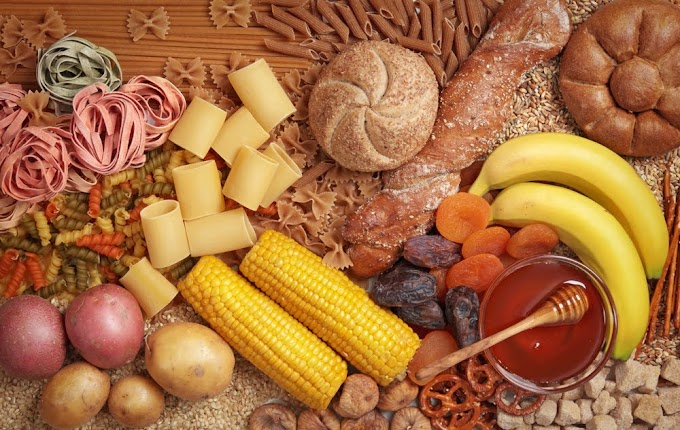
The fundamental supply of energy in the majority ecosystems is energy from the Sun. The energy of sunlight is used by the ecosystem’s autotrophic, or self-sustaining, organisms. Consisting for the most part of inexperienced vegetation, these organisms area unit capable of photosynthesis—i.e., they can use the energy of sunlight to convert carbon dioxide and water into simple, energy-rich carbohydrates.
The autotrophs use the energy keep at intervals the straightforward carbohydrates to provide the a lot of complicated organic compounds, like proteins, lipids, and starches, that maintain the organisms’ life processes. The autotrophic section of the system is usually said because the producer level.
The autotrophs use the energy keep at intervals the straightforward carbohydrates to provide the a lot of complicated organic compounds, like proteins, lipids, and starches, that maintain the organisms’ life processes. The autotrophic section of the system is usually said because the producer level.
Organic matter generated by autotrophs directly or indirectly sustains heterotrophic organisms. Heterotrophs area unit the customers of the ecosystem; they can not build their own food. They use, rearrange, and ultimately decompose the complicated organic materials designed up by the autotrophs.
All animals and fungi area unit heterotrophs, as area unit most bacterium and plenty of different microorganisms.
All animals and fungi area unit heterotrophs, as area unit most bacterium and plenty of different microorganisms.
Together, the autotrophs and heterotrophs type numerous organic process (feeding) levels within the ecosystem: the producer level, composed of these organisms that build their own food; the first client level, composed of those organisms that prey on producers; the secondary client level, composed of those organisms that feed on primary consumers; and so on. The movement of organic matter and energy from the producer level through numerous client levels makes up a organic phenomenon. For example, a typical organic phenomenon in a very tract can be grass (producer) → mouse (primary consumer) → snake (secondary consumer) → hawk (tertiary consumer). Actually, in several cases the food chains of the system overlap and interconnect, forming what ecologists decision a organic phenomenon.
The final link altogether food chains is formed from decomposers, those heterotrophs that break down dead organisms and organic wastes. A organic phenomenon within which the first client feeds on living plants is termed a grazing pathway; that within which the first client feeds on dead plant matter is known as a detritus pathway. Both pathways area unit vital in accounting for the energy budget of the system.
The final link altogether food chains is formed from decomposers, those heterotrophs that break down dead organisms and organic wastes. A organic phenomenon within which the first client feeds on living plants is termed a grazing pathway; that within which the first client feeds on dead plant matter is known as a detritus pathway. Both pathways area unit vital in accounting for the energy budget of the system.
 |







0 Comments
If you have any query let me know.